
Wordfeud Premium
Bertheussen ITWord
4.813.95K Reviews
- Version
- Varies With Device
- Installs
- 500.00K
- Age Rating
- Everyone
Screenshots
Our Review of Wordfeud Premium
 Analysis by Appyee
I tend to enjoy word games most when they fit around the rest of my day rather than demanding a long, uninterrupted session. Wordfeud Premium suits that kind of play: I can make a move, leave the board, and return when I have time to think again. That rhythm is its biggest strength, but it also shapes who will enjoy it. If you want a quick solo puzzle with a definite finish, this is a different sort of game; if you like a continuing head-to-head word challenge, it has plenty to offer.
Where a match can feel less straightforward
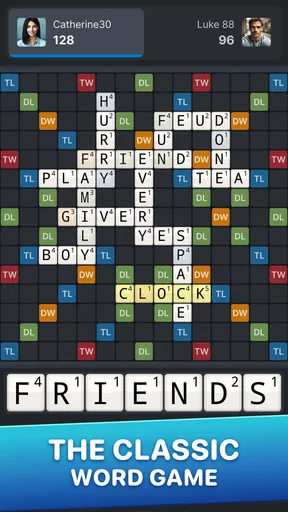
The basic idea is familiar, but a close game asks for more than spotting a long word. I often have to decide whether a modest play is safer than holding tiles for a better opening, or whether a promising word gives my opponent an easy scoring opportunity. That push and pull makes the board interesting even when neither player has a spectacular turn.
It can also make the pace feel slow if I expect every opponent to respond right away. A multiplayer match depends on both people finding time to play, so a board may sit between turns. I see that as part of the format rather than a flaw, but it is worth knowing before you start: this is better for patient players than for anyone looking for constant action.
When a word is challenged by uncertainty, I find it useful to treat the built-in dictionary as a learning aid, not just a way to settle a move. Checking an unfamiliar word can help me remember it for later, while paying attention to the letters I keep seeing on the rack helps me make more deliberate choices. The useful habit is to review why a play worked, not simply to chase a high score every turn.
Small setup choices that improve the experience
Before inviting someone into a match, I would agree on a language that both players are comfortable using. Word games are much less enjoyable when opponents have different expectations about valid vocabulary. The language options can make a match a gentle way to practise, but I would not treat a competitive game as a substitute for a structured language lesson: unfamiliar words and dictionary decisions can interrupt the flow.
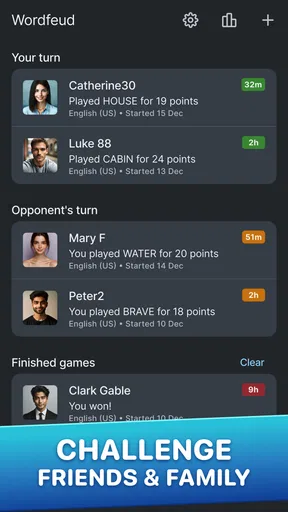
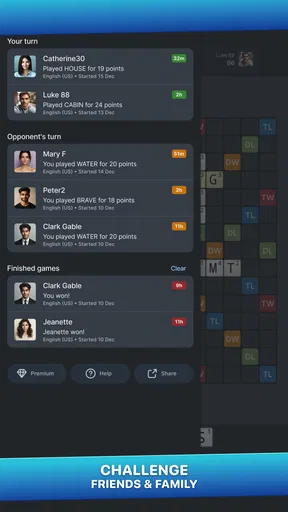
I would also settle on the kind of match I want before opening several games. Playing multiple boards can be a nice way to keep a casual routine going, but it can become hard to remember which opponent is waiting on which position. My practical approach is to make a move in one board, finish checking the others, and then leave the game rather than repeatedly opening the same match without a plan.
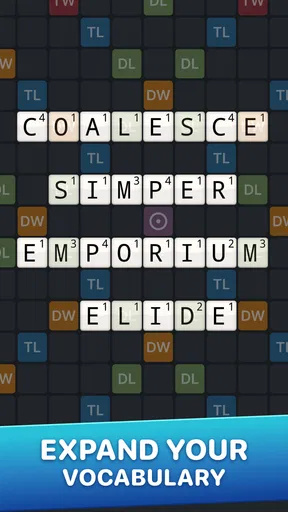
The randomized board layout is worth considering before a rematch. A familiar arrangement encourages players to rely on patterns they already know; a changed layout asks me to inspect the scoring opportunities again instead of assuming the same spaces will matter. I like that trade-off when both players want variety. If you are still learning how to use the board, sticking with a consistent layout for a while may make it easier to understand the consequences of each placement.
Recovering your rhythm after a missed turn
If I return to a game after a break and cannot remember my plan, I start by reading the whole board rather than trying to recreate my last thought. I look for open spaces, words that could be extended, and scoring squares that are now accessible. That quick scan often reveals that the position has changed enough to make my old plan irrelevant. In a turn-based game, adapting is usually more useful than trying to force a move I had imagined earlier.
When a move does not seem to register or a match appears unchanged, I avoid making repeated guesses about what happened. I first check that I am looking at the intended game and that the board has had a chance to refresh, then I reopen it and review the current position. If the issue persists, checking the device’s connection and restarting the app are sensible general steps. I would not assume a particular move was accepted until the board clearly shows it.
That approach also helps with tile frustration. A rack that looks unpromising does not always call for a desperate long word; a short placement can change the board, use awkward letters, or set up a better turn. I try to compare the immediate points with the position I will leave behind. The best move is not necessarily the one that looks most impressive in isolation.
When the problem is really the match
Not every quiet or frustrating game points to a technical issue. An opponent who has not replied may simply be busy, and a slow exchange is one of the ordinary compromises of playing asynchronously. If I need a game with a reliable end time, I choose a different kind of word activity rather than expecting a multiplayer board to move at a particular pace.
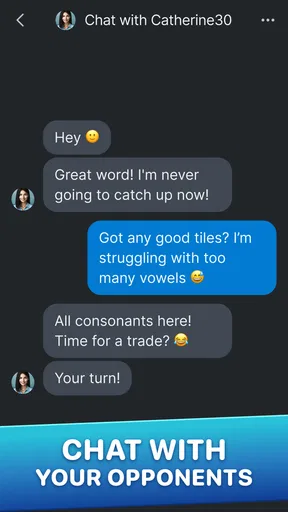
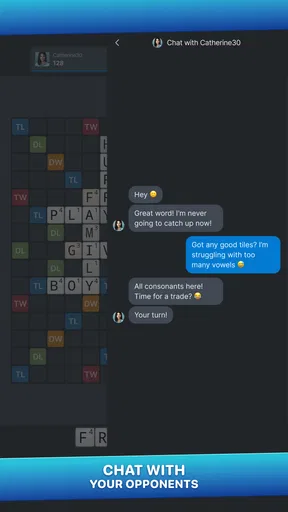
Likewise, disagreement over a word can come from different expectations about language and vocabulary, not a broken board. I find it better to discuss the language being used before a competitive match than to argue over every surprising entry after it happens. The chat option can keep a friendly game sociable, though I prefer to use it for light conversation and clear questions instead of letting banter distract from the actual decisions.
There is also a difference between wanting to improve and wanting to win every turn. The statistics can give a competitive player a reason to track progress, but they do not explain why a particular decision was strong or weak. I get more from noticing recurring habits—such as opening a scoring space too freely or holding useful tiles for too long—than from looking at a record without reflecting on the games behind it.
That distinction matters if you are choosing between this and a typical solo word puzzle. A solo puzzle is usually the better fit when you want a compact task with immediate feedback and no need to coordinate with another person. A live word-game session is better when you want a shared, fast exchange. Wordfeud Premium occupies the slower, ongoing middle ground: strategy against a real opponent, with room to pause and return.
It is made by Bertheussen IT, and its long-running presence is reflected in an average rating of 4.8 from around 112,000 ratings, with over 500,000 installs. Those figures suggest a well-established audience, but they do not guarantee that its pace will suit everyone. I would judge it by whether I enjoy planning against another person over time, not by popularity alone.
Getting Started with Wordfeud Premium
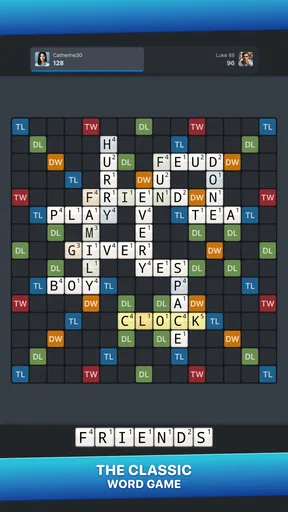
First things first, if you’re familiar with any word board game, you’ll feel right at home with Wordfeud Premium. The app is available on both Android and iOS, and downloading it is a breeze. Once you have it installed, you’ll be greeted by a clean, intuitive interface. No clutter, just pure word-building fun.
Creating an account is simple. You can sign up using your email or connect through social media profiles. I chose to go the email route, and within minutes, I was ready to challenge friends or random opponents from around the world. The app even allows you to customize your profile, adding a bit of personal flair to your gaming experience.
Gameplay Experience
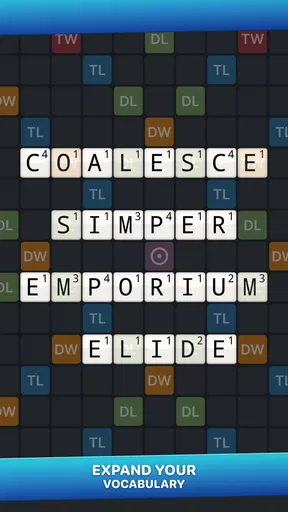
This is where the real fun begins. The game board is laid out in a classic 15x15 grid, and your objective is to create words using letter tiles. The twist? You can play with different languages, which is perfect if you’re looking to brush up on your foreign language skills.
One of the highlights of Wordfeud Premium is the ability to play multiple games simultaneously. Whether you’re a multitasker or just love a good challenge, this feature keeps you engaged and coming back for more. Plus, with no ads interrupting your game, you can focus entirely on outsmarting your opponents.
Features That Stand Out
There are a few features that truly elevate the Wordfeud experience. Firstly, the option to randomize the board layout. This isn’t just a cosmetic change; it actually adds a strategic layer to the game, making each match feel fresh and exciting.
The chat function is another nifty addition. It’s perfect for friendly banter or a bit of strategic mind games. Just remember, sportsmanship is key! And if you ever find yourself stuck, the app provides a handy dictionary feature, ensuring you’re never at a loss for words.
Why Go Premium?
You might be wondering why you should invest in the premium version when there’s a free one available. The answer is simple: no ads. The premium version offers a seamless experience, free from interruptions. It’s just you, your words, and your opponent. Trust me, once you go premium, you’ll never look back.
Moreover, premium users get access to detailed statistics. If you’re competitive like me, keeping track of your win-loss ratio and other stats is a great way to improve your gameplay.
Final Thoughts
All in all, Wordfeud Premium is a fantastic addition to any word lover’s app collection. It’s easy to use, endlessly entertaining, and offers just the right amount of challenge. Whether you’re in it for the love of words, the strategy, or the competition, this app delivers on all fronts.
So, if you’re ready to put your vocabulary to the test and have a blast doing it, give Wordfeud Premium a whirl. Happy word hunting!
Who will get the most from it?
I would recommend it most to people who like a low-pressure contest they can revisit during small gaps in the day. A commuter could make a move while waiting for a train, then think over the next play later; two friends with busy schedules can keep a shared match alive without arranging the same free hour. The key is that both players are comfortable with an open-ended pace.
It is less suitable for someone who wants a guided campaign, a stream of instant rounds, or a purely solo experience. The multiplayer format is the point, so players who dislike waiting on an opponent may find the gaps more noticeable than the strategy. If that sounds like you, a self-contained word puzzle or a fast, real-time alternative will likely feel more satisfying.
Price, expectations, and a practical verdict
Wordfeud Premium costs $5.99, so I would think of it as a one-time purchase for the ad-free version rather than a casual free download. The game is rated Everyone, which makes it broadly approachable, though the best experience still depends on finding opponents who enjoy the same kind of thoughtful play. The app was released on October 5, 2010, and its established format feels deliberately familiar rather than built around constant novelty.
For a realistic everyday routine, I would start a match with a friend, make a move over breakfast, and return after work to see how the board has developed. Before placing a tempting word, I would check whether it opens a valuable square for the other player; after the turn, I would use the waiting time to consider alternate placements rather than obsess over the score. That small change turns idle time into useful practice without making the game feel like homework.
My overall view is that this is a solid choice if you value patient, strategic wordplay and want an ad-free way to play against other people. The Premium price makes the most sense when you expect to return regularly and appreciate uninterrupted turns; if you only want an occasional quick puzzle, it is harder to justify. I would choose it for ongoing matches with friends or thoughtful strangers, and skip it when I need a game that guarantees a quick, self-contained finish.
Verdict
Strengths of Wordfeud Premium
- Ad-free gameplay for uninterrupted fun.
- Extensive dictionary support for word variety.
- Customizable board options enhance strategy.
- Cross-platform play with friends is seamless.
- Intuitive interface makes navigation easy.
Limitations of Wordfeud Premium
- Requires purchase for premium features.
- Limited offline play capabilities.
- Occasional connectivity issues reported.
- No single-player mode available.
- Some users find notifications intrusive.
Similar Picks in This Category
View All
Word Search - Word Puzzle Game
Bluetile4.8

Word Search Quest - Puzzles
Blackout Lab4.8

CodyCross: Crossword Puzzles
Fanatee, Inc.4.7

Words of Wonders: Crossword
Fugo Games4.9

Wordscapes: Word puzzle game
PeopleFun4.7

Word Search Explorer
PlaySimple Games4.9
Frequently Asked Questions
What are the main features of Wordfeud Premium?
Wordfeud Premium offers an ad-free experience, allowing uninterrupted gameplay. It supports multiple languages, making it accessible to a global audience. Users can play up to 30 games simultaneously and customize the board for a unique gaming experience. Statistics are available to track your progress and compete with friends.
How does Wordfeud Premium differ from the free version?
The Premium version of Wordfeud removes all advertisements, providing a cleaner and more enjoyable gaming experience. It also includes additional features like detailed statistics and personalized boards. While the free version is functional, the Premium upgrade enhances gameplay, making it worth considering for regular players.
Is an internet connection required to play Wordfeud Premium?
Yes, an internet connection is necessary to play Wordfeud Premium. The game relies on online connectivity to match players and update game progress. However, it uses minimal data, making it suitable even for those with limited internet plans. Wi-Fi or mobile data can be used for connectivity.
Can I play Wordfeud Premium with friends, and how does it work?
Absolutely! Wordfeud Premium allows you to challenge friends by either searching for their usernames or letting the app randomly pair you with opponents. You can invite friends through various social media platforms or directly via the game. The turn-based nature means you can play at your convenience.
Is Wordfeud Premium available on both Android and iOS devices?
Yes, Wordfeud Premium is available for download on both Android and iOS platforms. This cross-platform availability ensures that you can play with friends regardless of their device choice. It is regularly updated to support the latest operating systems, providing seamless gameplay across devices.
Play our best games!


